The printf() method outputs a formatted string. Data from the additional arguments is formatted and written into placeholders in the formatted string, which are marked by a % symbol. The way in which arguments are formatted depends on the sequence of characters that follows the % symbol.
From the use of println () we observed that it is a single method of PrintStream class that allows the users to print various types of elements by accepting different type and number of parameters.
The print statement is a simple way to display data for a Java programmer. The System.out.print () function works with the three methods: print, println, and printf.
In this tutorial, you will learn simple ways to display output to users and take input from users in Java. We will use the print () method to display output and the Scanner class to take input.
But the print methods in Java have more functionality than beginners realize. In this comprehensive guide, I‘ll cover everything you need to know to level up your printing skills.
In Java, the print command is one of the most basic yet essential features for developers. It serves as a fundamental tool for debugging, providing user feedback, and outputting information during the execution of a Java program.
In Java, there are several helpful methods and classes for printing output to the console or other output destinations. The most popular methods for printing in Java include: System.out.print(), System.out.println(), and System.out.printf().
As a Java developer, printing to the console is a ubiquitous task – whether for quick debugging or presenting output to users. Java provides a trio of print functions that any professional developer should know inside-out: println(), print(), and printf().
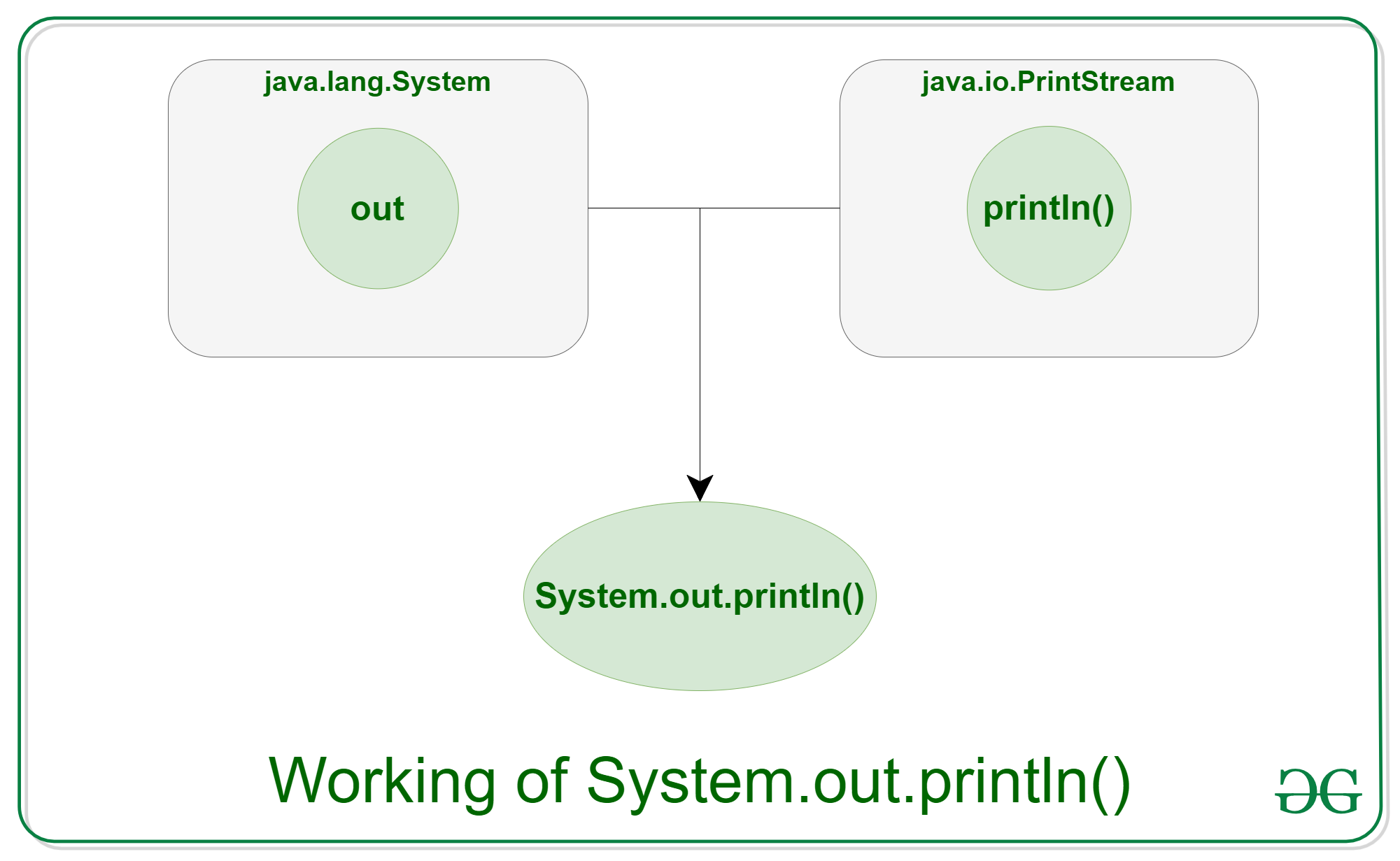 From the use of println () we observed that it is a single method of PrintStream class that allows the users to print various types of elements by accepting different type and number of parameters.